
Cultural perspectives on gambling How traditions shape gaming behaviors worldwide
The Historical Roots of Gambling
Gambling has existed in various forms for thousands of years, with its roots deeply embedded in cultural practices across the globe. From ancient China, where dice games were played, to the betting activities in Roman amphitheaters, gambling has historically served as both entertainment and a means of social interaction. Different cultures have developed unique games and betting systems influenced by their societal norms and values. Many players today enjoy the exciting offerings available at Bs22 Casino, where traditional casino experiences merge with modern innovations.

For example, in many indigenous cultures, gambling was often intertwined with religious or spiritual practices. It provided a way to connect with the divine, with outcomes believed to be influenced by higher powers. Such historical perspectives highlight the multifaceted role of gambling in shaping community bonds and cultural identities.
Cultural Attitudes Towards Gambling
Cultural attitudes towards gambling vary significantly around the world, influenced by religious beliefs, social norms, and legal frameworks. In some countries, gambling is seen as a form of entertainment and an acceptable leisure activity, while in others, it may carry a stigma or be outright banned. For instance, in predominantly Islamic countries, gambling is often prohibited due to religious convictions, contrasting with nations like Australia and the United States, where gambling is widely accepted and commercialized.
The perception of gambling also extends to how individuals engage with it. In cultures where gambling is embraced, players may be more likely to partake in social gambling activities, fostering a sense of camaraderie. Conversely, in cultures where gambling is frowned upon, individuals may approach it with caution, often feeling a sense of guilt or shame for participating.
Impact of Modernization on Gambling Practices
Modernization has significantly transformed gambling practices worldwide. The rise of the internet and mobile technology has enabled online gambling to flourish, creating new opportunities for players globally. As traditional barriers dissolve, cultural perspectives on gambling are also evolving, leading to a blend of old customs and modern practices.
For instance, while traditional casino games like poker and blackjack remain popular, online platforms are introducing innovative variations that attract younger audiences. This shift is reshaping not only how people gamble but also how they perceive the act itself, making it more accessible and appealing across different demographics.
Regional Variations in Gambling Games
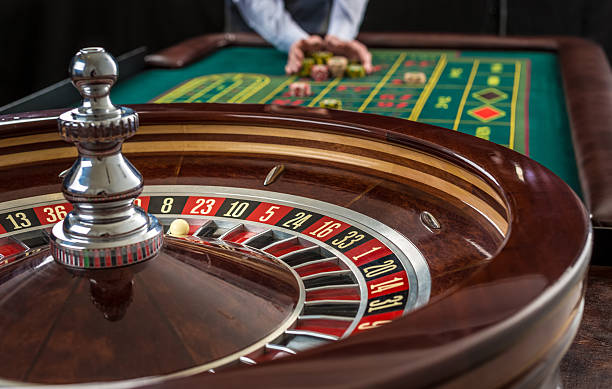
Gambling games vary widely by region, reflecting local cultures and traditions. In Asia, games like Mahjong and Sic Bo are popular, often played in social settings, while in Europe, the allure of roulette and baccarat captures the attention of many. These games are not merely forms of entertainment but carry historical and cultural significance that shapes how they are played and perceived.
This regional diversity enriches the global gambling landscape, as players exchange experiences and techniques. The impact of globalization means that players can now enjoy a variety of games from different cultures, facilitating a cross-pollination of gaming behaviors and traditions.
Discover the Excitement at Bs22 Casino
At Bs22 Casino, players can immerse themselves in an extensive array of games inspired by global traditions. With over 7,000 licensed titles, including classic table games and modern slot machines, players can explore gaming experiences that reflect diverse cultural influences. The platform not only prioritizes entertainment but also ensures a secure and exhilarating betting environment.
Join Bs22 Casino today and take advantage of enticing promotions and bonuses designed for both new and seasoned players. As you navigate through our vast selection of games, you’ll discover how gambling traditions shape your gaming experience in the modern world.